
Home Adaptations
Did you know the home environment affects your rehab journey? Whether this be limiting certain movements for post-op healing, or dealing with the chronic effects of arthritis and old age, below are some simple changes you can make to help your dog from the comfort of your home.
Dogs will spend most of their day pottering and playing around the house so it's important our flooring allows them to stay safe and comfortable. Hardwood and tile can be very slippy on your dog's feet, especially those with fluffy feet or longer claws. A simple solution for this is adding rugs, runners or yoga mats to high traffic areas or anywhere you see them struggle more. While it may not be a stylish interior design choice, it will greatly help your dogs ability to grip the floor and gain traction. With this extra stability we are reducing the amount of sliding, slipping and splaying your dog faces and the stress this puts on their body.
While we may think a nice long walk is what a dog needs, that's not always the case. While walking will strengthen them and provide good mental stimulation, if they consistently end up stiff or lame we may need to rethink our options. What to think about: duration, frequency, terrain, lead work.
Like we have said, duration isn’t everything and sometimes cutting those walks down but increasing the frequency makes all the difference, preventing overexertion and joint strain. This approach keeps muscles active and metabolism steady without causing exhaustion, as well as consistent mental stimulation and bathroom breaks.
Does your dog prefer walking in the field rather than pavement? Different terrains affect different areas of the body. Soft surfaces such as grass and sand have better shock absorbing properties than that of concrete. Soft tissue injuries are more affected by those soft surfaces, similarly joint issues are more affected on hard surfaces. While a mix of terrains is recommended, we can tailor walk to different conditions or needs.
Finally on the topic of walks is lead walking. While it's easy to assume speed equals recovery, the momentum of the faster paces is easier than slow controlled walking. When at a walk, all the limbs must be weight bearing and therefore building muscle and strength, it also allows for greater body awareness and deliberate foot placement and encourages a larger range of motion in joints.
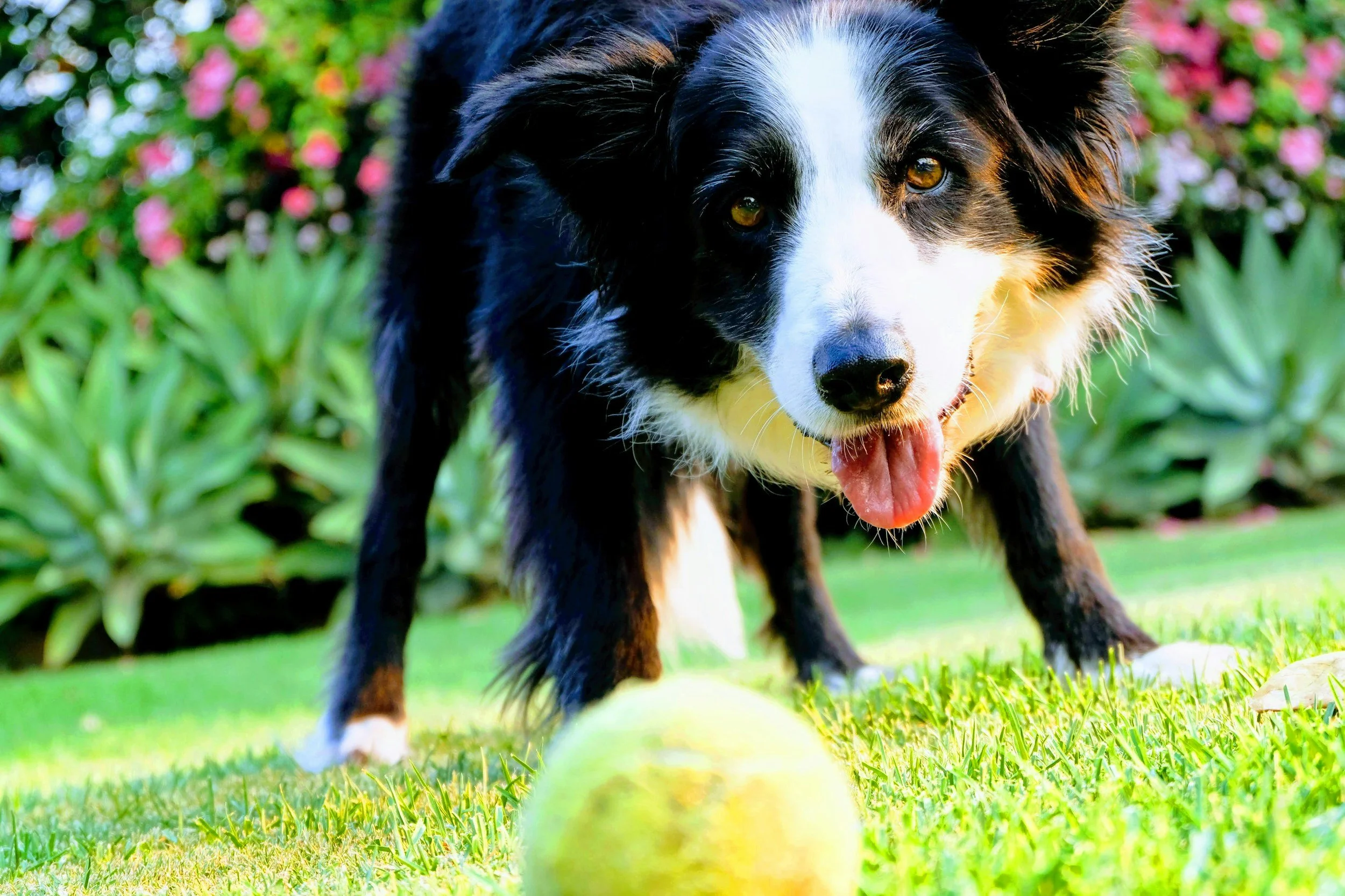
Ball throwing can be a favourite activity for many dogs, but do you know what pressures this puts on the body? The front legs take the stopping impact, sending massive forces through the shoulders, wrists and elbows. When the ball suddenly changes directions and your dog follows, their spine/knees will twist to catch it which is when an injury is likely to happen. We need to be careful with this high drive game as adrenaline masks pain so we, and they, may not know they are hurt until we have cooled down at home and are hopping on 3 legs. To finish off the ball throwing saga, each throw causes a repetitive stress or ‘micro trauma’ to the joints, which over time can develop into something more sinister. Safer alternatives could be adding snuffle mats or liki mats to their routine to add mental stimulation to their day, or playing ‘find it’ with the ball where they wait till the ball has stopped and search, which takes out the high speed element.
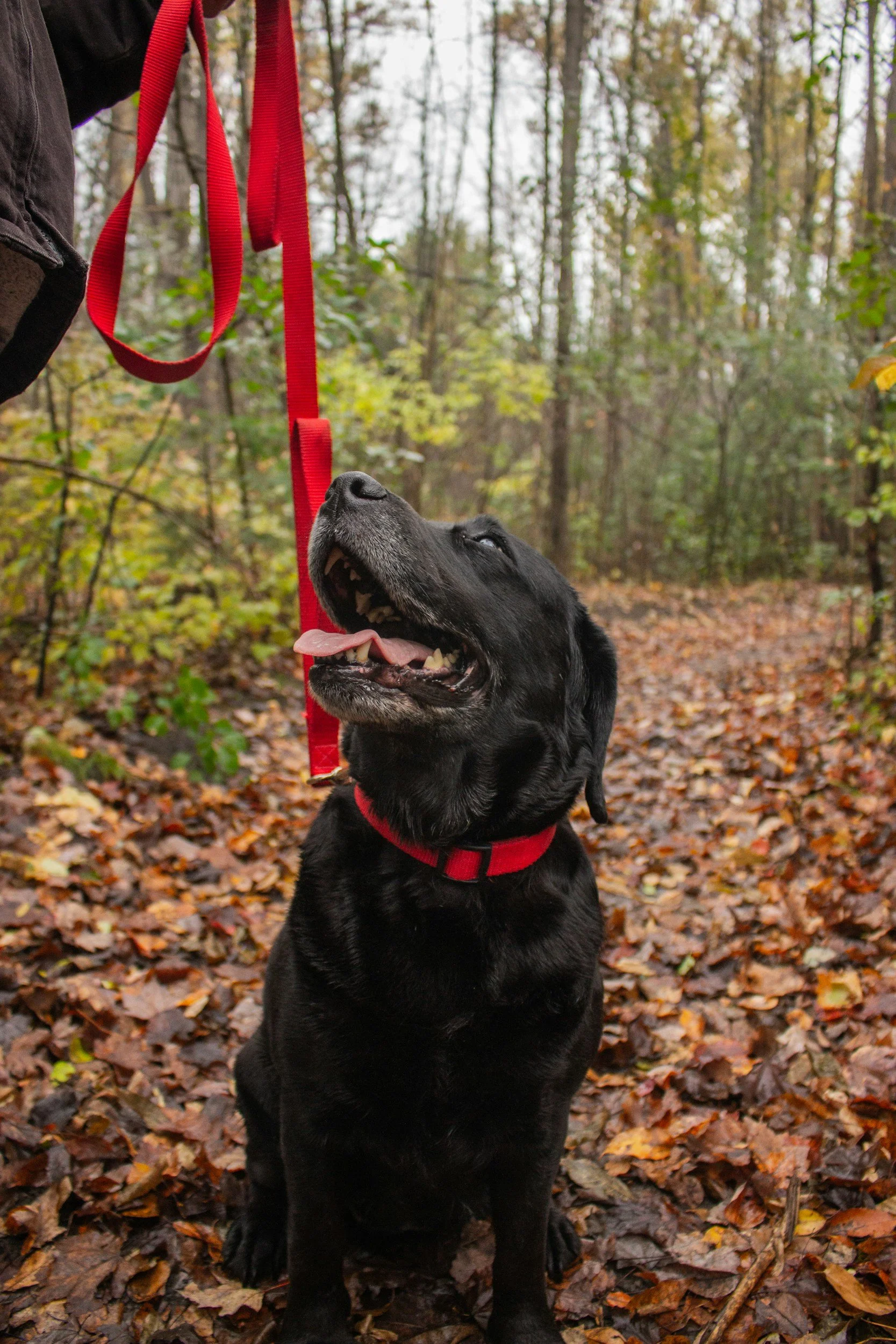
Stairs are a daily part of a lot of dogs' lives, but they shift their weight depending on the direction they travel. This puts more pressure on the joints, especially when done at speed. Using the stairs also needs more balance than walking on flat ground, so some dogs may struggle to safely navigate them. To control stair access and unsupervised climbing, you can add a baby gate to the base of the stairs or another barrier. You can also buy special harnesses that provide more support for you to help them up when needed.
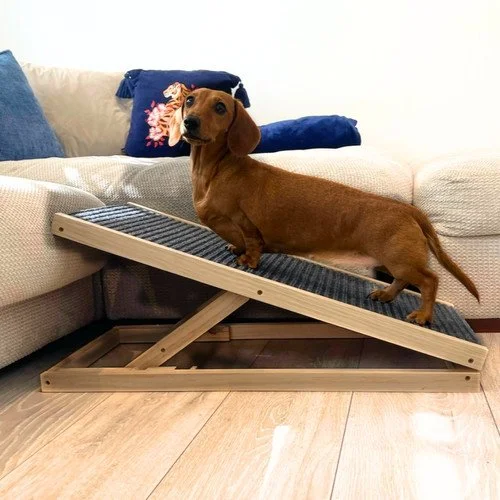
While we all like a cuddle with our furry friend after a long day we need to make sure the process of getting up to us is suitable. Jumping onto the sofa or bed are high impact activities putting the body under extra strain, especially jumping down where all the bodyweight is impacting the front legs. There is also the possibility of falling and landing funny which can cause injury or exacerbate existing conditions. For these reasons we recommend using ramps or lifting them where possible to minimise this risk.
Raising food bowls can be an easy way to help dogs struggling with tension or lameness in their front legs as well as those weaker in their back legs. By lifting the food and/or water bowl up off the ground, this takes more pressure off the front legs than are bending down and reaching for the bowl as well as actively encouraging that weight to be transferred to the back legs.
While getting in the car and up stairs might not be a worry for a young healthy dog, it’s when they start getting older or are diagnosed with a musculoskeletal issue we need to start planning around this for longevity. These points come from a rehabilitation view point and are a point to think about, each situation is different and can be advised as appropriate. During our rehab assessments we will speak through any points we think will benefit your dog, be it home, walks or therapy.
